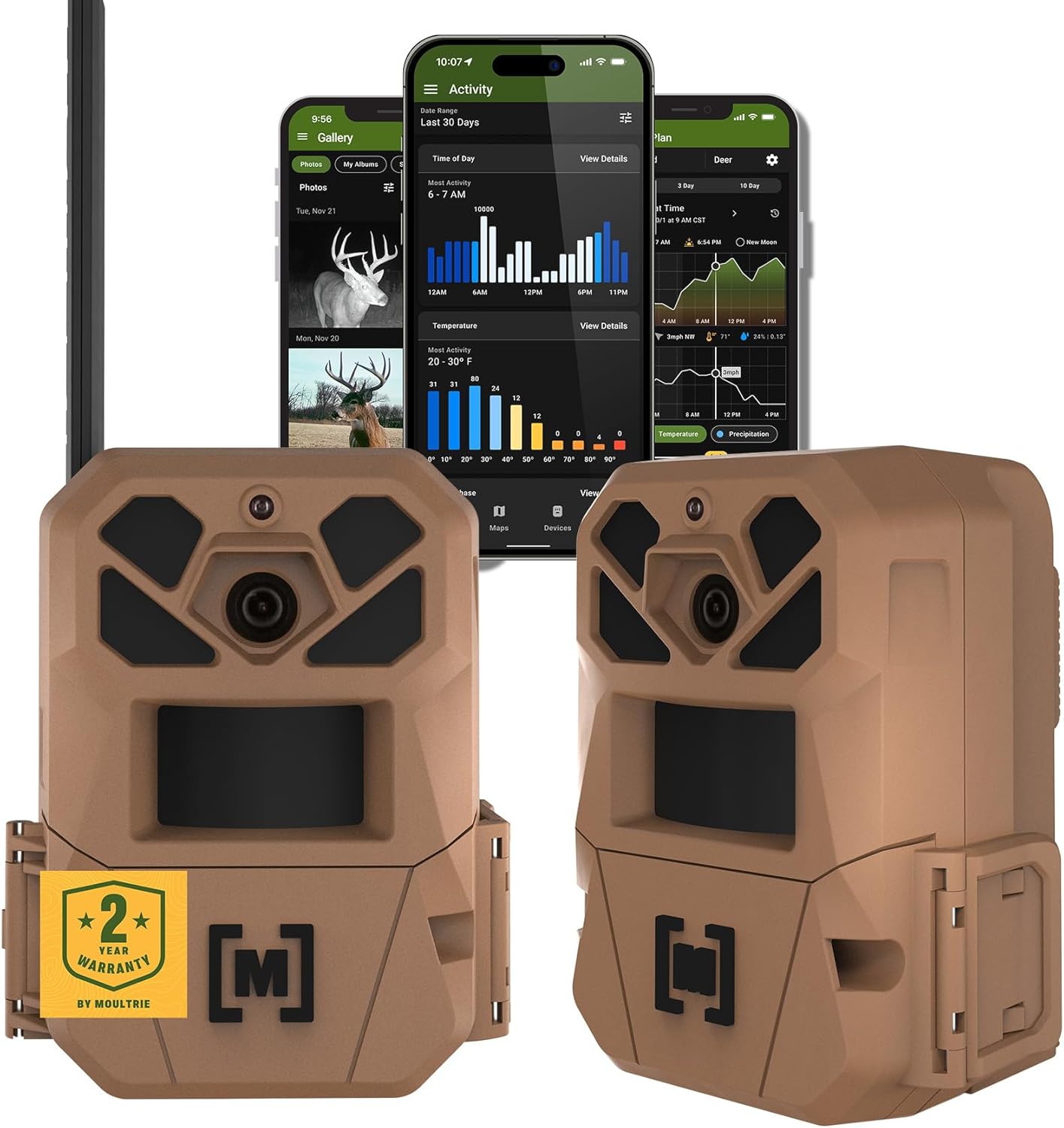
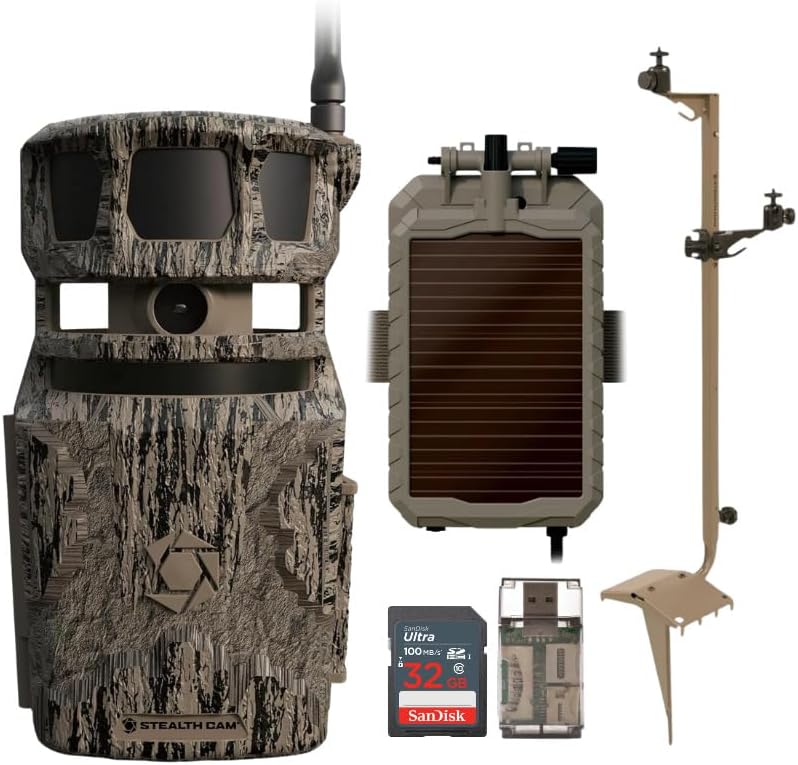
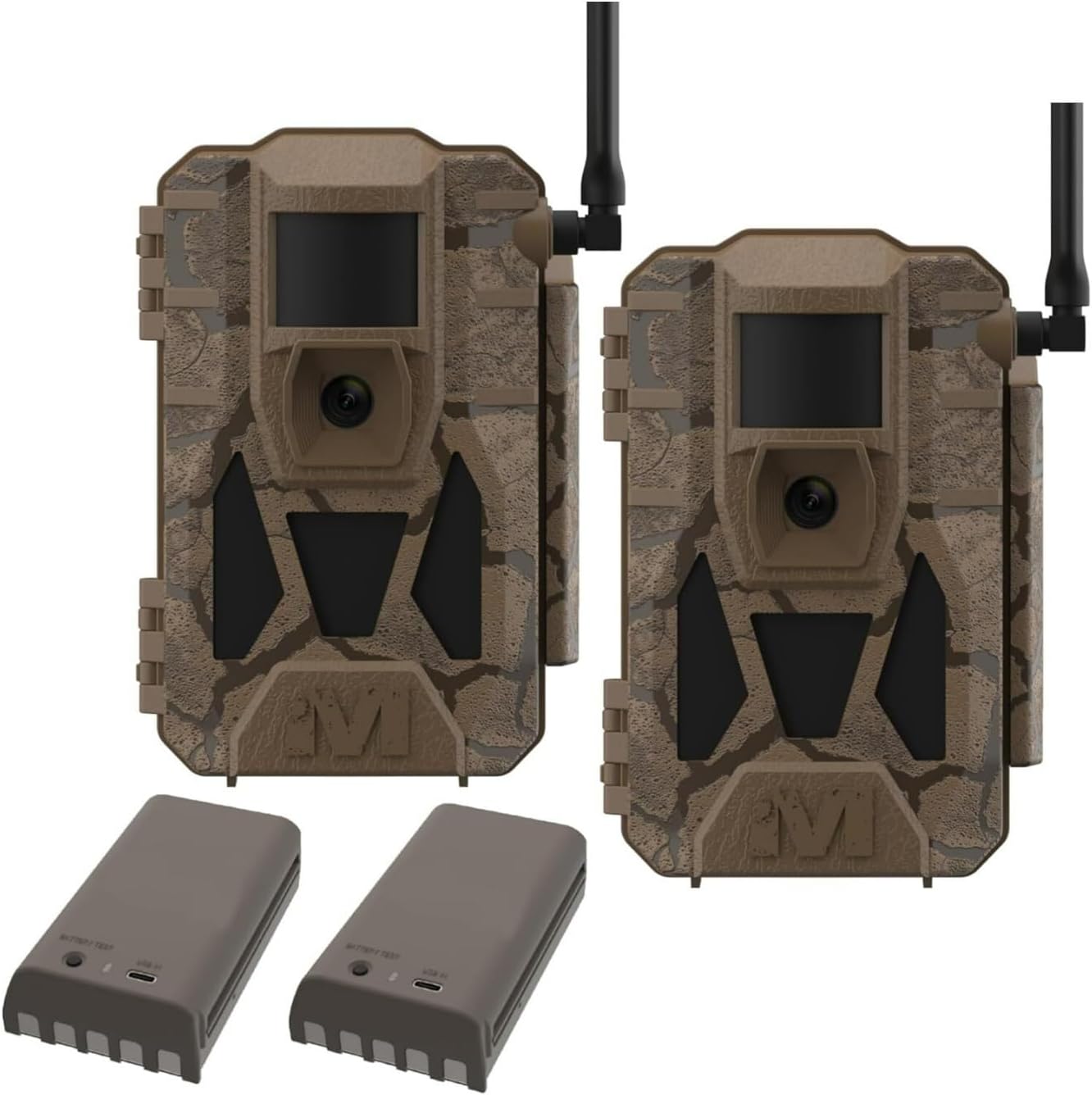
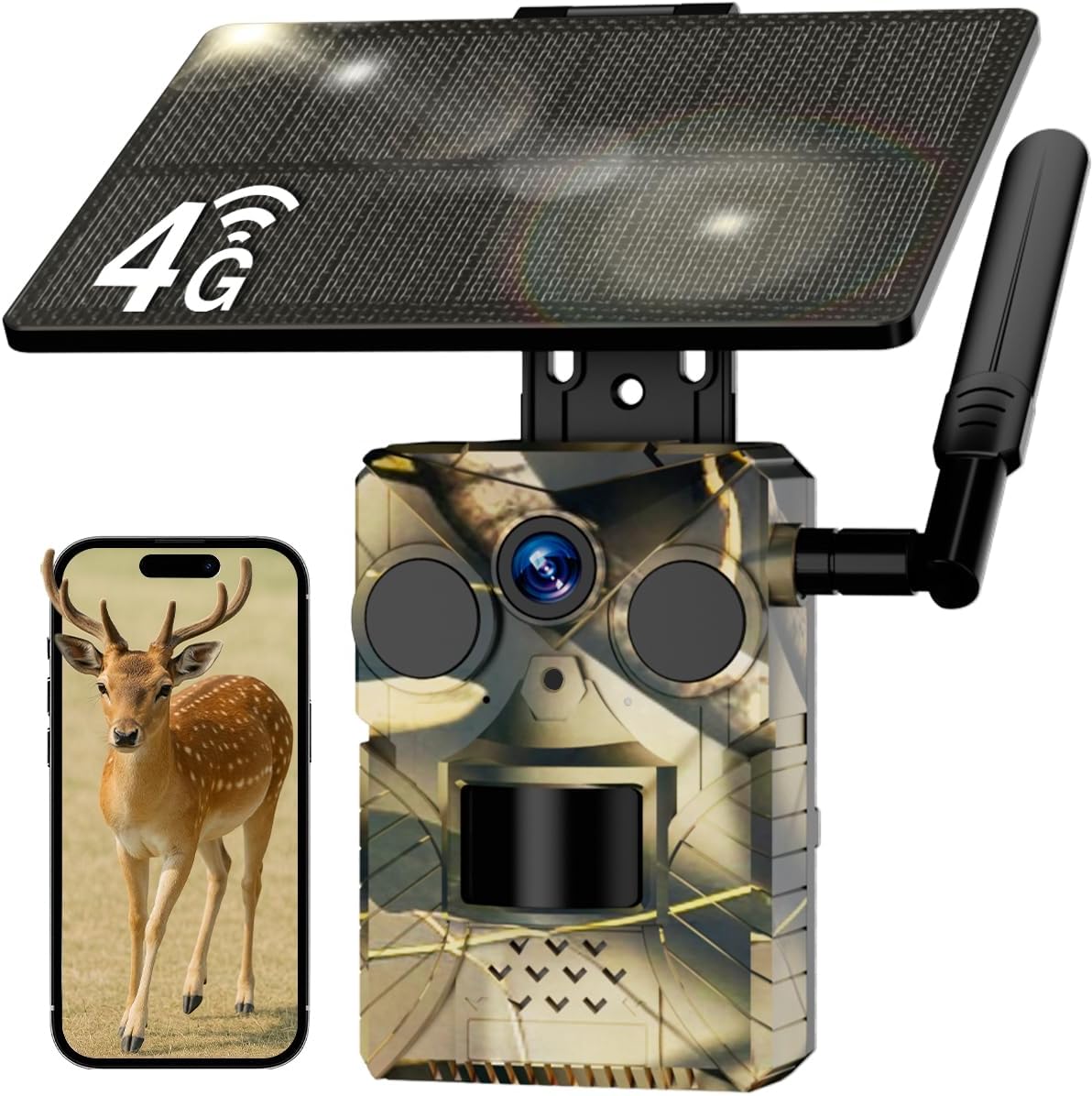
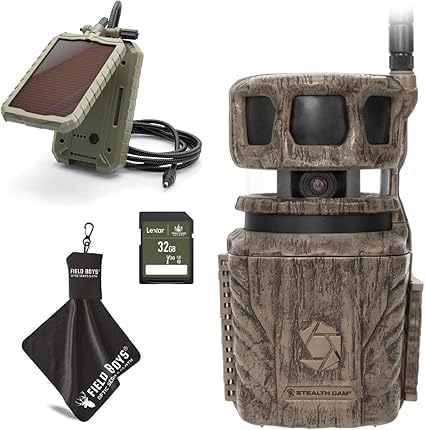
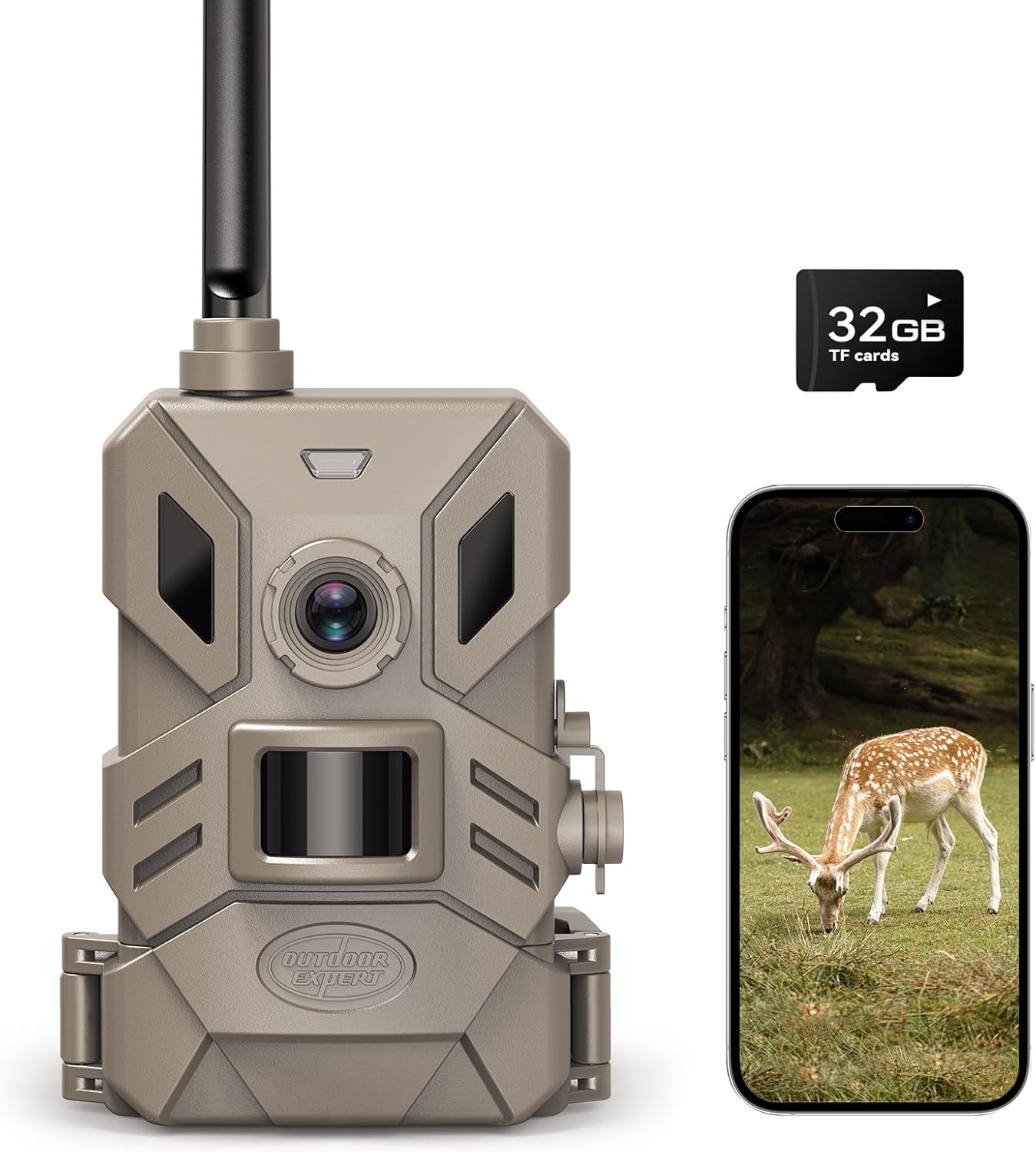
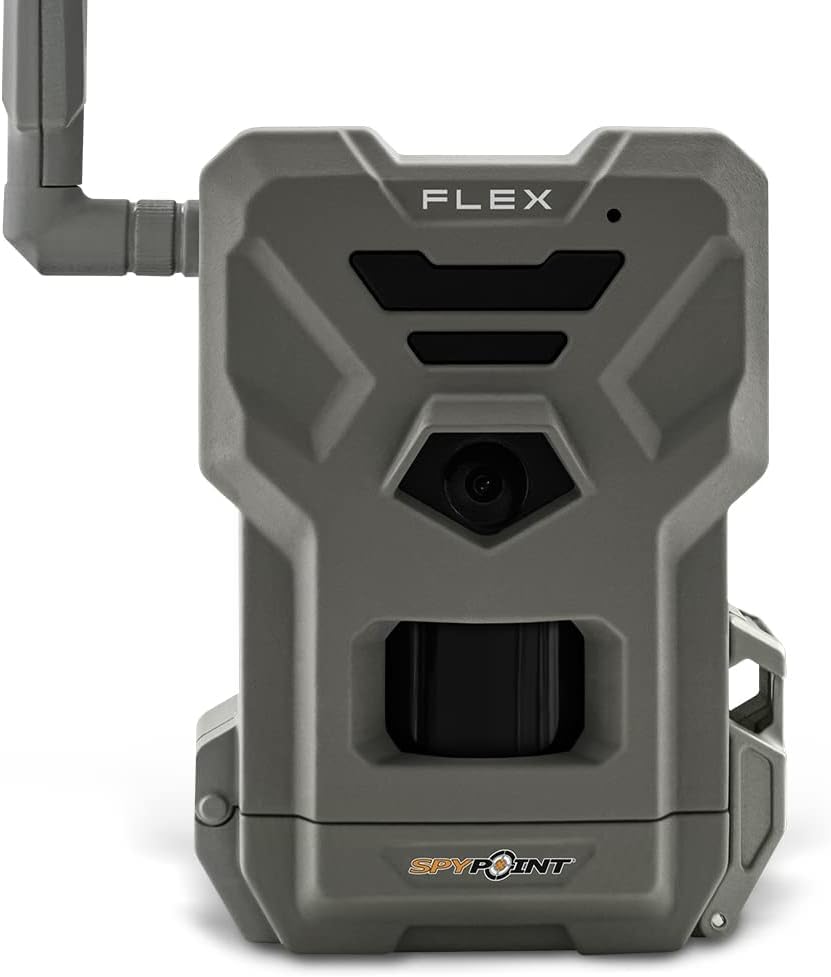
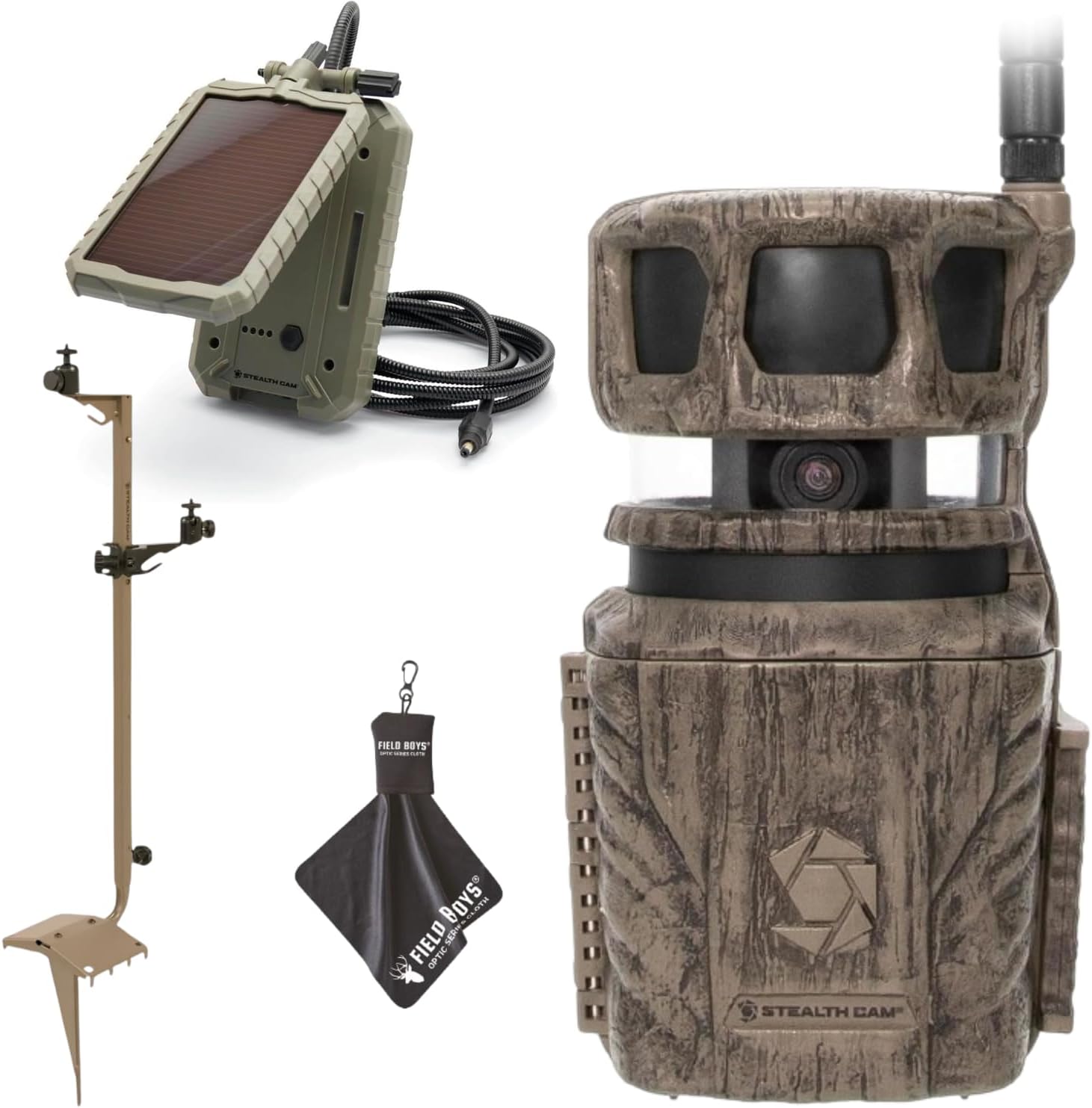
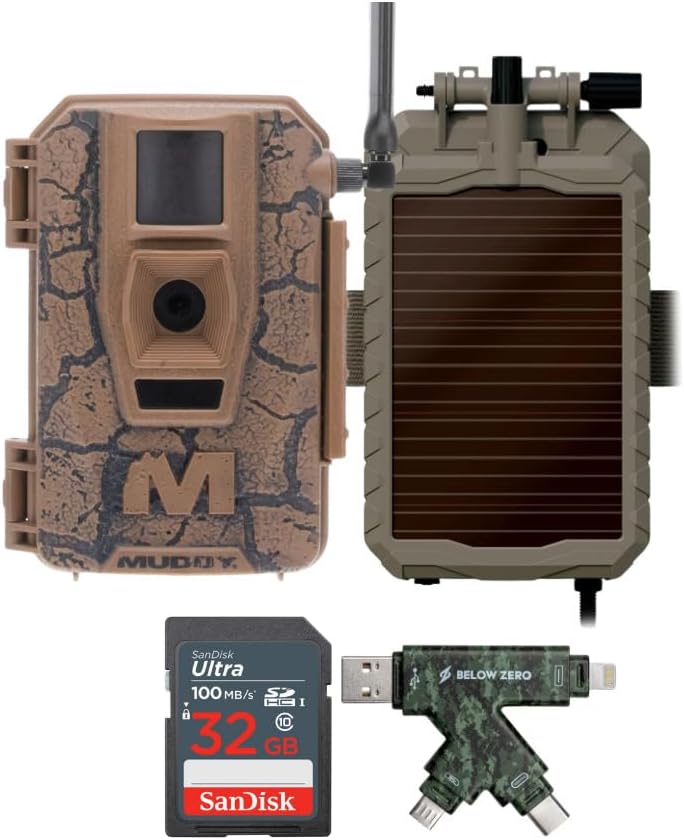
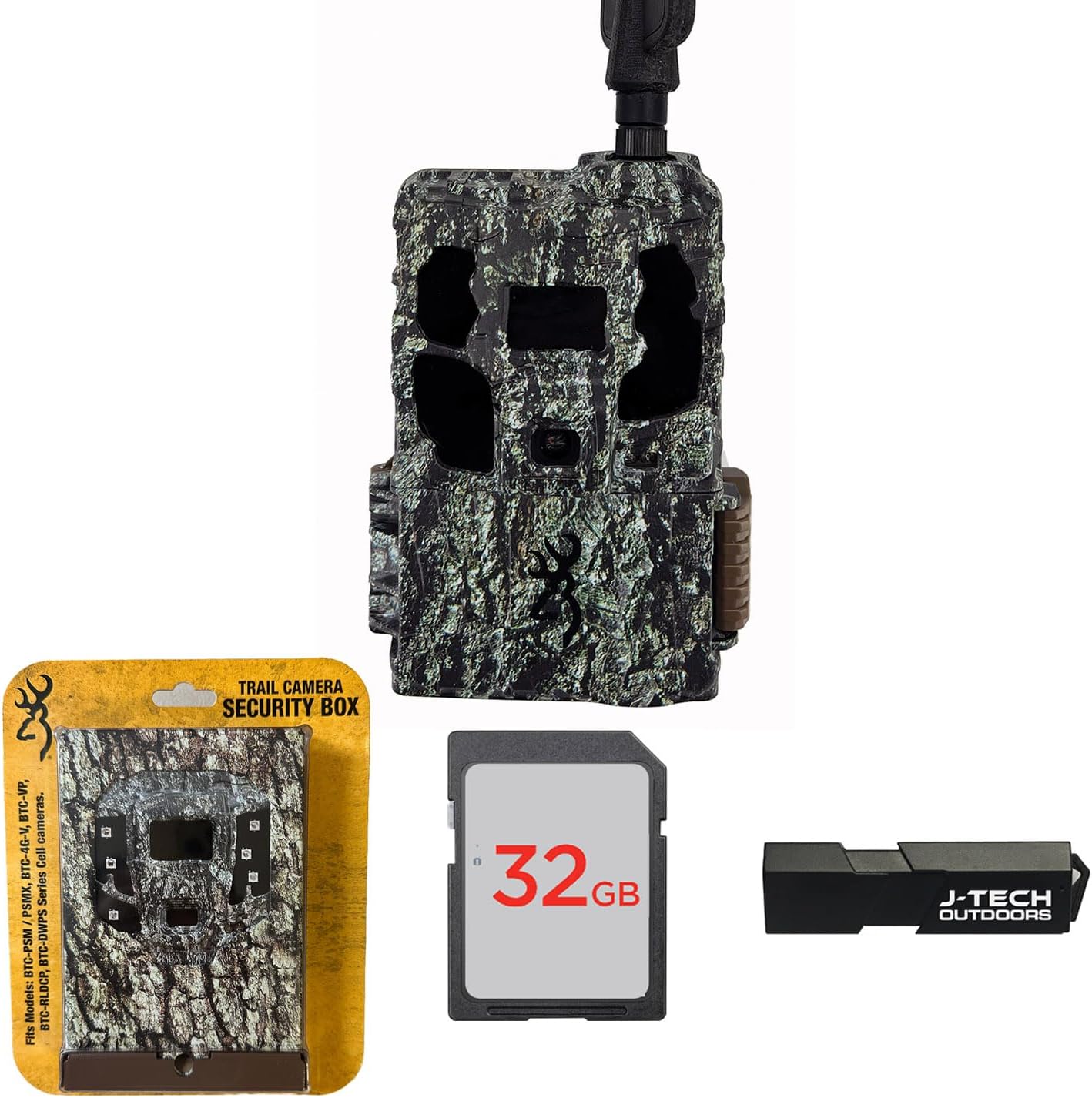
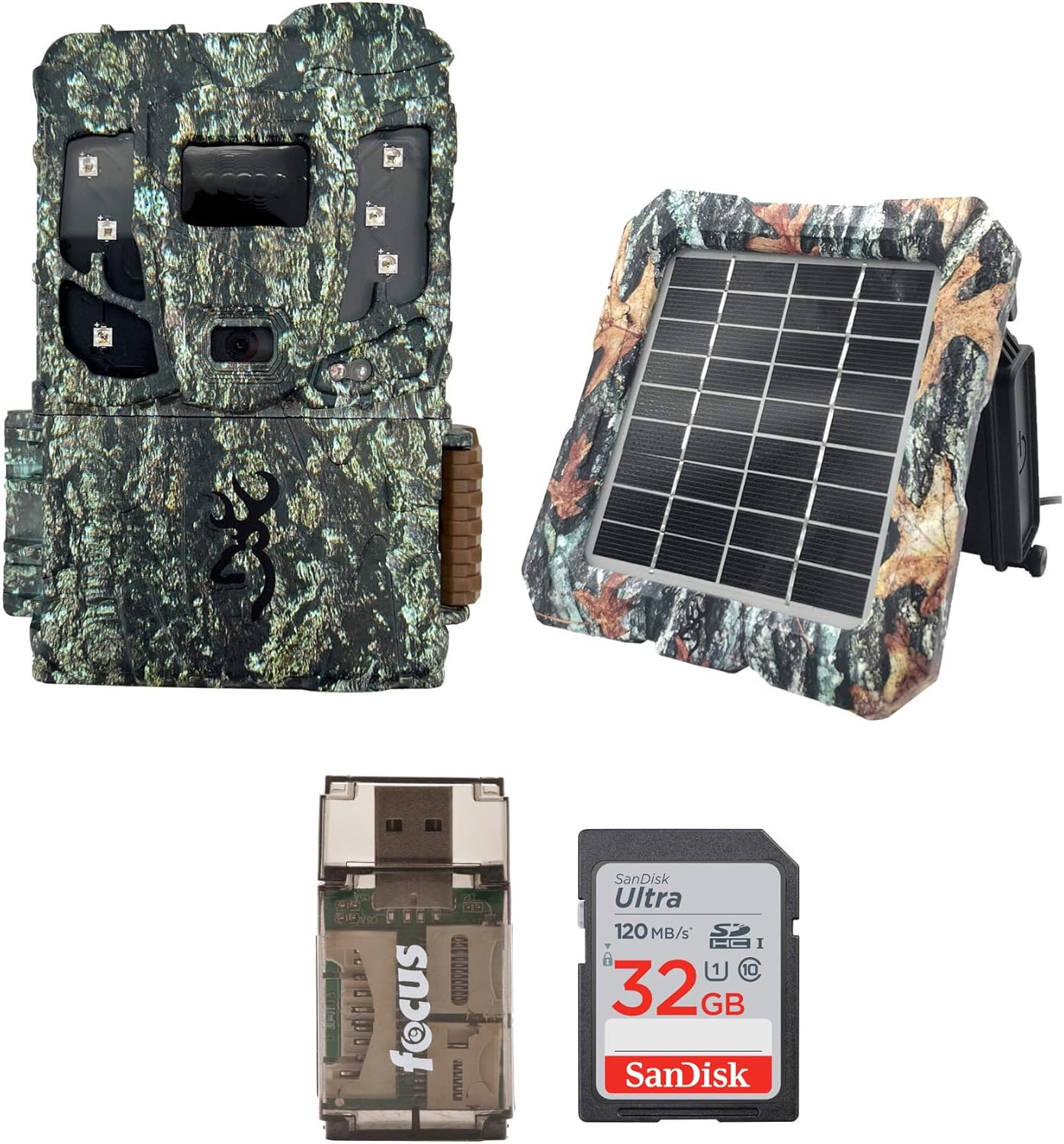
The median trail camera price is $90 across 709 tracked models.
Trail cameras with specs, features & prices compared for hunting, security & wildlife
Compare prices across all 709 models
Top Picks
View All →Trail Camera Buying Guide 2026
Finding the best trail camera at the right price requires understanding key specifications. Our comparison includes 709 models from 257+ brands to help you find the perfect game camera for hunting, property security, wildlife observation, and property monitoring.
1 Photo Resolution (MP)
Higher megapixels mean sharper images. 16MP is sufficient for game identification, 24-32MP captures fine detail, and 48MP+ provides cropping flexibility for distant subjects.
2 Trigger Speed (seconds)
Faster trigger speeds capture more wildlife. Under 0.2s is excellent for fast-moving game, 0.3-0.5s is good for most use cases, and over 0.5s may miss quick animals.
3 Detection Range (ft)
Determines how far the camera can sense motion. 60-80ft covers most trail setups, 100ft+ is ideal for open fields, and wider detection angles cover more area.
Trail Camera Price Tiers
Great for beginners and casual use. Typically 16-24MP resolution with basic night vision and SD card storage.
Best value for serious hunters. 24-48MP resolution, fast trigger speeds, cellular or WiFi connectivity, and extended battery life.
Advanced cellular cameras with high-resolution video, solar panels, cloud storage, and professional-grade detection systems.
Best Trail Cameras By Use Case
Click a use case to filter and see recommended products:
Frequently Asked Questions
What resolution (megapixels) do I need in a trail camera?
For basic game identification, 16-20MP is sufficient and produces clear images at typical trail camera distances. For detailed species identification, trophy scoring, or cropping distant subjects, 24-48MP cameras provide sharper detail. Higher MP counts also mean larger file sizes, which fill SD cards faster and use more cellular data if applicable.
What is the difference between cellular, WiFi, and standard trail cameras?
Standard trail cameras store photos and videos on an SD card that you must physically retrieve. WiFi trail cameras let you download images wirelessly when you're within range (typically 50-100 feet). Cellular trail cameras send photos directly to your phone via LTE networks from anywhere, but require a monthly data plan ($5-$15/month). Cellular cameras are best for remote locations you can't visit frequently.
How long do trail camera batteries typically last?
Battery life varies significantly based on usage. Standard cameras on AA batteries typically last 3-8 months with moderate activity (20-50 photos per day). Cellular cameras drain batteries faster due to data transmission, lasting 1-3 months on AA batteries. Solar-powered trail cameras with rechargeable batteries can run indefinitely with adequate sunlight. Cold weather reduces battery life by 20-40%.
What flash type should I choose for my trail camera?
There are three main flash types: no-glow (black LED) is completely invisible and best for security and skittish game; low-glow (red LED) produces a faint red light visible at close range but captures better night images; and white flash produces full-color night photos but may spook wildlife. For most hunting applications, no-glow or low-glow infrared flash is recommended.
Are trail cameras worth using for home security?
Trail cameras are an excellent budget-friendly security option, especially for areas without WiFi or power outlets. Cellular trail cameras can send instant photo alerts when motion is detected, making them ideal for monitoring driveways, gates, sheds, and remote property. They're weatherproof, run on batteries, and much harder to spot than traditional security cameras. However, they lack live video streaming and two-way audio found in dedicated security cameras.
Found this helpful? Share with friends!
709 products