The 20 Best Solar Trail Cameras of 2026
Solar-powered trail cameras use built-in or external solar panels to keep batteries charged, providing near-indefinite runtime without battery changes. Perfect for remote or hard-to-access locations.
- Indefinite runtime with adequate sunlight exposure
- Reduced maintenance with fewer battery changes needed
- Many solar models include cellular connectivity for complete hands-off operation
- Built-in rechargeable batteries charged by solar panel

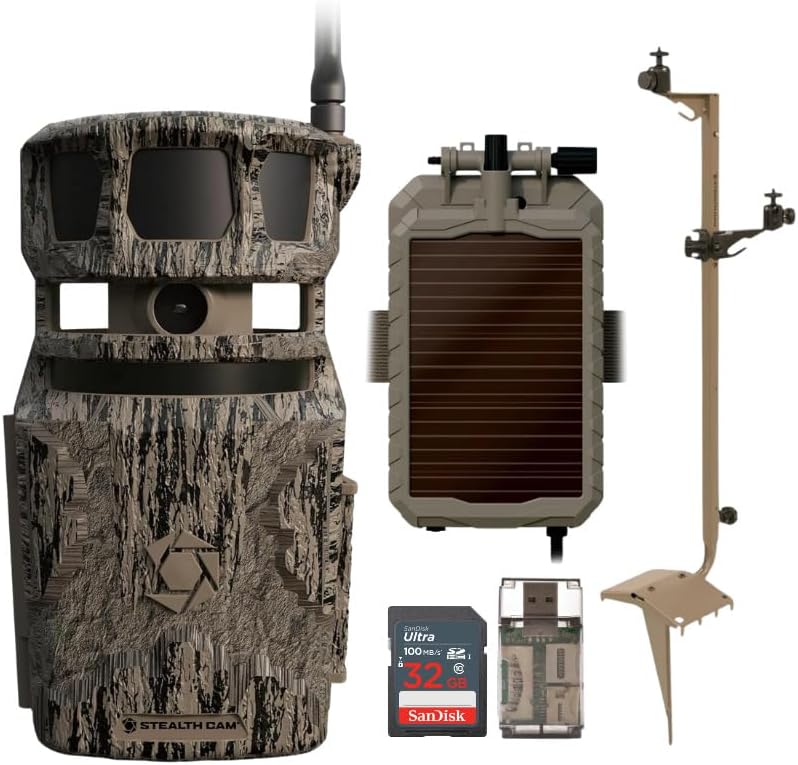
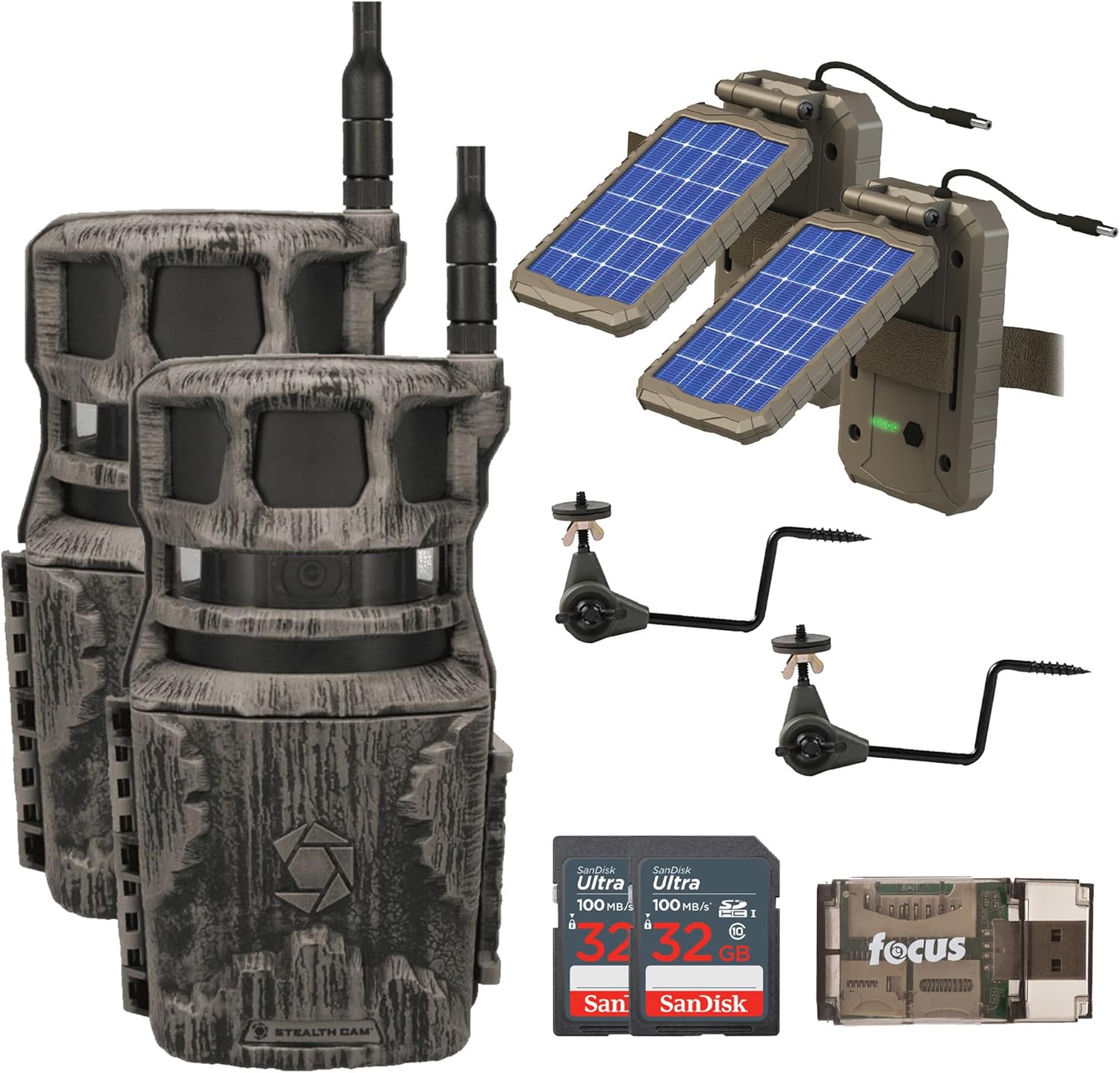
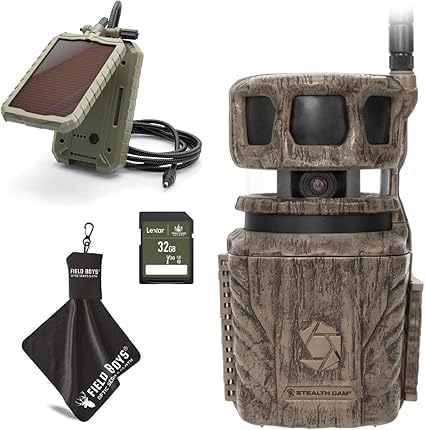
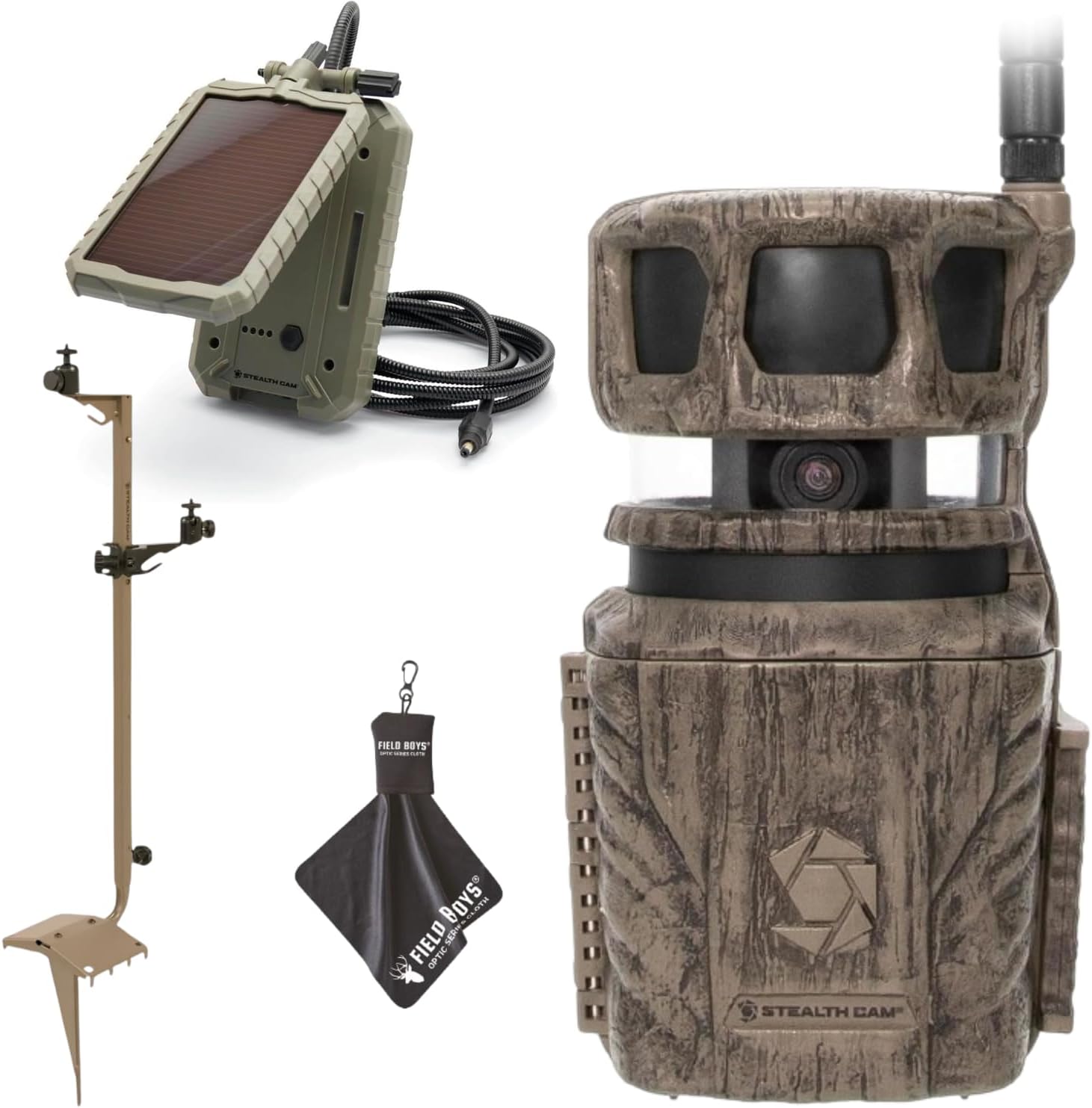
Stealth Cam Deceptor MAX Dual Sim 40MP Photo & 1440P QHD Video No-Glo LED Hunting Cellular Trail Camera and Sol-Pak Solar Battery Pack, Available on AT&T & Verizon
Stealth Cam

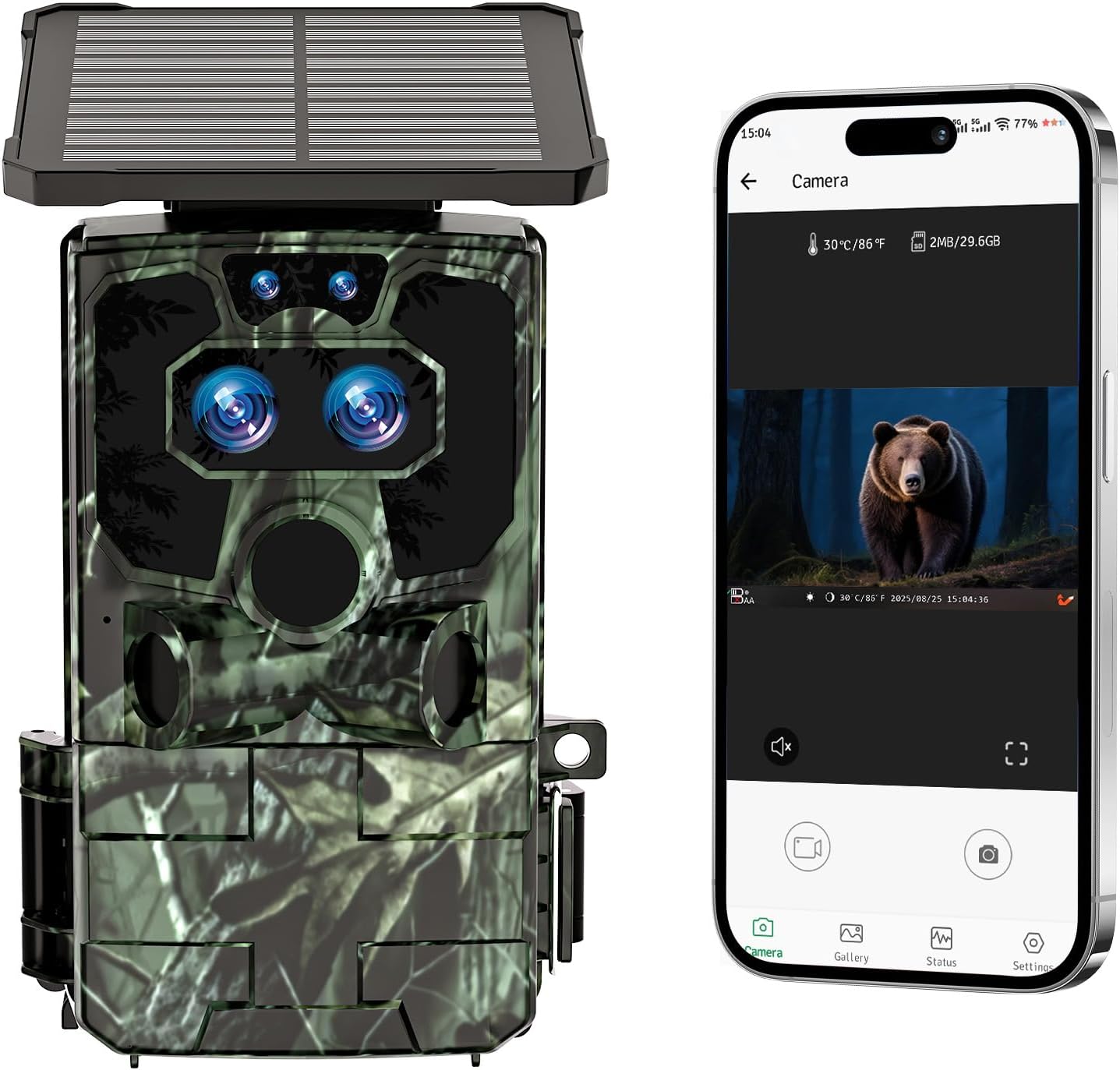
SPYPOINT Flex-S-Dark Solar Cellular Trail Camera – Built-in Solar Panel, 40MP Photos, 1080p Videos + Sound, No-Glow Game Camera, Night Vision, Motion Activated Trail Cam
SPYPOINT

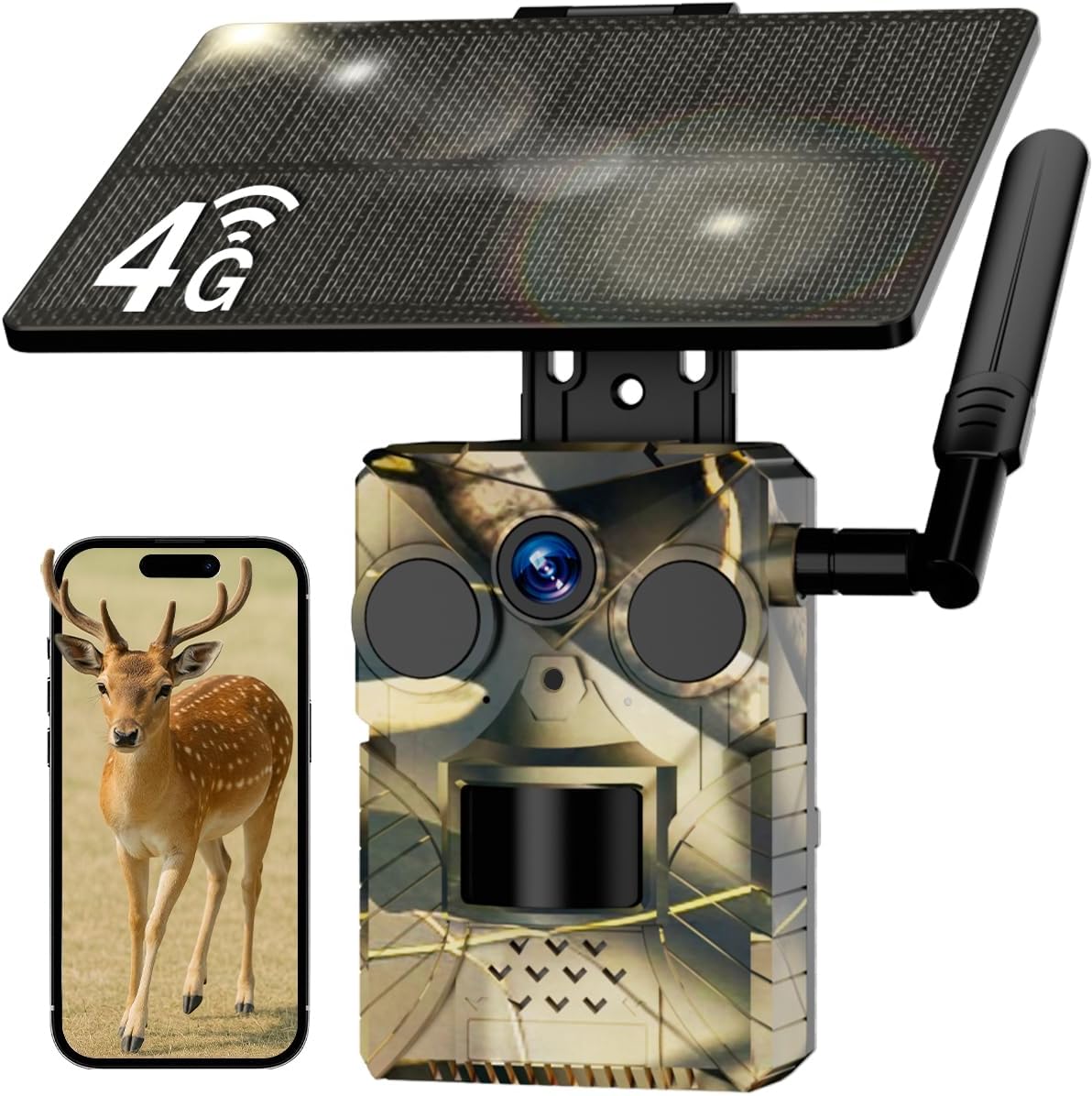
Solar Trail Camera 48MP 30FPS, WiFi Bluetooth Game Camera with Motion Activated 0.2s Trigger, Night Vision Motion Activated IP66 Waterproof for Wildlife Scouting with 32GB Micro SD Card
Assark
Complete Best Solar Rankings








How to Choose the Best Solar Trail Camera
Solar trail cameras eliminate battery changes but require adequate sunlight exposure. Here's how to choose the right one.
Solar Panel Size & Placement
Larger solar panels generate more power. Some cameras have built-in panels while others use external panels connected by cable, allowing the panel to be placed in sunlight while the camera stays in shade.
Built-in Battery Capacity
Solar cameras still need a battery to operate at night and on cloudy days. Larger built-in batteries provide more buffer during extended cloudy periods.
Charging Efficiency by Season
Solar performance varies dramatically by season and location. Winter months with shorter days and lower sun angles produce less power than summer.
Sunlight Requirements
Most solar trail cameras need 2-4 hours of direct sunlight per day to maintain charge. Dense forest canopy can significantly reduce solar charging.